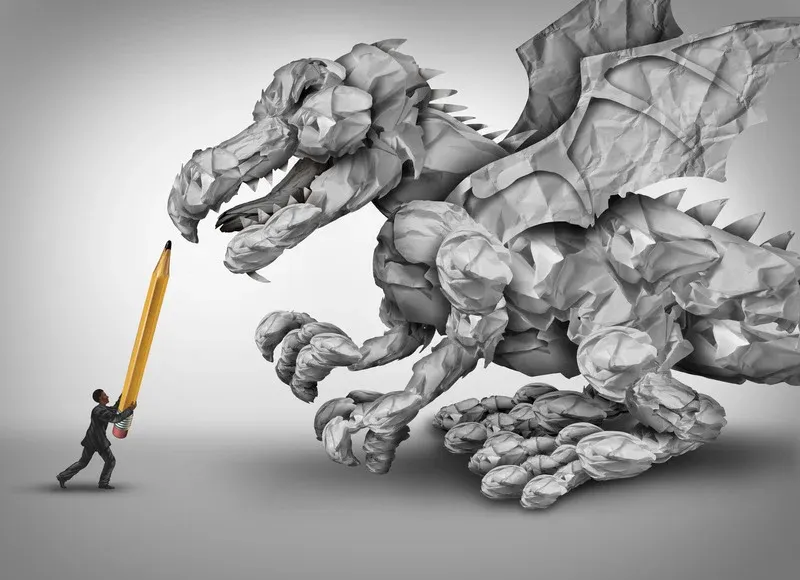
Stress and the Body: Unveiling the Impact and Building Resilience with Optimum Thinking Knowledge and Skills
Stress—it’s a universal experience. From the relentless demands of modern life to unexpected challenges, stress often feels like an inevitable part of our journey. However, while some stress can motivate us to grow, chronic stress has a profound and far-reaching impact on the physical body. The good news? With the right tools, including Optimum Thinking strategies, you can build resilience and transform stress into a catalyst for personal growth and well-being.
The Silent Saboteur: How Stress Affects the Physical Body
Stress triggers a cascade of physiological responses, often referred to as the "fight or flight" mechanism. While this response is designed to protect us in emergencies, chronic activation can wreak havoc on our health.
Cardiovascular Strain: Prolonged stress elevates blood pressure and increases the risk of heart disease. The body remains in a heightened state, causing wear and tear on the cardiovascular system.
Digestive Disruption: Stress can interfere with digestion, leading to conditions like irritable bowel syndrome (IBS), ulcers, or acid reflux. It alters the balance of gut bacteria, compromising nutrient absorption and overall digestive health.
Immune System Suppression: Chronic stress weakens immune function, making the body more susceptible to illnesses and slower to recover from infections or injuries.
Muscle Tension and Pain: Stress often manifests as tightness in the neck, shoulders, and back. Over time, this tension can lead to chronic pain and reduce physical mobility.
Mental Health Interference: Stress doesn’t stop at the body—it clouds the mind. Anxiety, depression, and cognitive fog often accompany chronic stress, further diminishing quality of life.
Understanding these effects is the first step to reclaiming control. The next step? Harnessing tools that help you master your mind, balance your perceptions, and build emotional and physical resilience.
Transform Stress into Resilience with Optimum Thinking Tools
Optimum Thinking is not about eliminating stress, it is about helping you transform your perception of events and how your body responds to it. Using these tools, you can develop resilience and thrive, even in life’s most challenging moments.
1. Aligning with Your Hierarchy of Individual Life Priorities (HILP)
Stress often arises when you operate out of alignment with your highest life priorities for a sustained period of time. Optimum Thinking teaches you to clarify your HILP, ensuring you focus on actions that align with what truly matters to you. When you live congruently, stress diminishes, and you gain clarity about what deserves your precious time, thoughts and energy.
2. The Power of Balanced Perception
Every situation has both benefits and drawbacks, support and challenge. The tools of Optimum Thinking, including the Demartini Method®, help you see the hidden order in chaos. By balancing your perceptions, you can neutralize the emotional charge of stress, freeing your mind and body from its grip.
3. Conscious Breathwork
When we are stressed, our breathing becomes short and shallow. Conscious breathing techniques help calm your system. A few minutes of deep, diaphragmatic breathing signals safety to the nervous system, reducing cortisol levels and enhancing focus. This brings oxygen back to your prefrontal cortex and allows you to think more rationally again.
4. Emotional Mastery Practices
Optimum Thinking emphasizes emotional mastery as a foundational skill. Techniques to dissolve resentment, fear, or guilt allow you to clear emotional clutter, preventing stress from taking root and escalating into physical symptoms. It is wise to learn and practise these skills when you are calm as learning is always easier when you are relaxed. Then you will have them in your toolkit any time challenges arise in life.
5. Strategic Planning and Prioritized Action
A cluttered mind often leads to overwhelm and stress. The Optimum Thinking framework includes tools for strategic life planning, such as the Optimum Life Scope and Plan. By prioritizing your actions, you reduce overwhelm, stay focused, and approach challenges with confidence. The more detailed your planning is, the fewer problems you leave to solve in the future!
6.The Science of Resilience
Building stress resilience isn’t just about managing stress; it’s about retraining your body and mind to see stressful situations differently. Studies on neuroplasticity reveal that your brain can rewire itself to adopt healthier responses to challenges as long as you practice resourceful thinking. Optimum Thinking tools leverage this science, empowering you to replace reactive patterns with empowering questioning skills for processing your thinking and maintaining mental clarity and vitality.
Join Us
Discover how Optimum Thinking can help you master stress and unlock your potential. Whether through workshops, one-on-one coaching, or our powerful life planning programs, we’re here to guide you on your path to resilience and fulfilment. Visit our website to learn more.
“Stress is not what happens to us. It’s our response to what happens. And response is something we can choose.”
– Maureen Killoran
Choose resilience. Choose growth. Choose your Optimum Mindset!
Helene Kempe is an Executive Coach and Leadership Trainer who specializes in human behaviour. She has more than 35 years experience in leadership, organisational development, teaching and coaching and assists people to move through emotional blocks that are holding them back utilizing cutting-edge human behaviour technologies.
